The Hearing Aid That Refuses to Look Like One—And Why Most Adults Still Wait Too Long
By: Alex Mercer – SeaPRwire – Missed sentences at dinner. Phone calls that drain you. Conversations you quietly exit. That is the daily friction Certus Hearing just targeted with Certus One. The device sits inside the canal, weighs about two grams, and claims to push speech forward while dialing down background noise. Most people still treat hearing difficulty as something to endure rather than fix. The launch forces the question: how small does the first step need to be before adults actually take it.
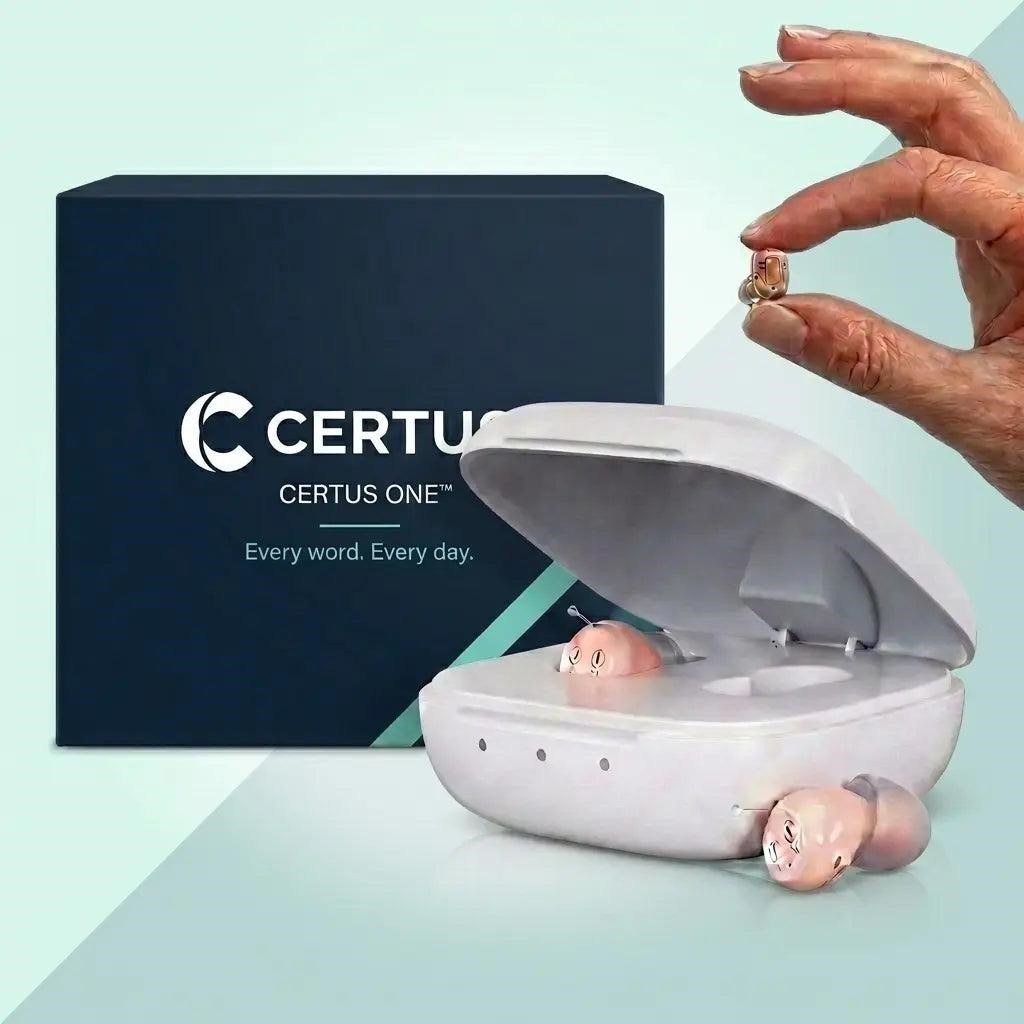
Official facts land clean and specific. Certus One is a certified OTC rechargeable aid for adults eighteen and over with perceived mild to moderate loss. No smartphone app. No Bluetooth pairing. No clinic appointment. Users pick from twelve soft tips across three sizes, including anti-whistling versions, and adjust the device by hand. Battery life hits sixteen hours on a full charge. The USB-C case stretches total runtime to sixty hours. Physical size sits at roughly 2.3 by 1.2 by 0.9 centimeters. A cleaning brush, cable, case and large-print guide ship in the box. The company pairs a ninety-day no-questions-asked money-back trial with a two-year guarantee. A dedicated review site shows 4.8 out of 5 across 1,287 verified reviews, with ninety-six percent at four or five stars and the forty-eight lower-rated reviews left visible in full. WHO numbers sit in the background: more than 430 million people already need rehabilitation for disabling loss, and nearly 2.5 billion are projected to face some degree of hearing loss by 2050. Affordability and access remain open gaps. Certus positions the product as one practical answer to those barriers—discreet fit, straightforward controls, rechargeable power, and enough home time to decide if it belongs in daily life.
Industry subtext reads differently. The real obstacles were never just the decibel numbers. Cost, visibility, comfort, battery hassle and uncertainty about daily fit kept people on the sidelines long after conversations started slipping. Certus One attacks those exact friction points one by one. In-canal placement hides the hardware. Two-gram weight and soft tips chase comfort. Rechargeable cells kill disposable-battery runs. Direct physical controls erase app friction. The ninety-day trial lets users test real dinners, calls and television nights before money is locked. The two-year guarantee covers longer confidence. The company is explicit about limits: sudden, severe loss or pain and discharge still require professional care. That boundary is not buried. Review transparency goes further—full critical feedback stays published instead of filtered. Pricing and regulatory status vary by country, and the product page lists current availability without hiding the variables. The commercial move is clear: shrink every practical reason people delay, then give them real-life runway to judge the result themselves.
The supply chain and retail pattern that follows is already shifting. Direct-to-consumer channels now carry certified OTC devices that skip the traditional clinic gate for mild-to-moderate cases. Certus serves the United Kingdom, United States, Canada, Australia, New Zealand and Europe through its own site. Buyers who still wait for the perfect clinical moment will keep missing sentences. Those who use the trial window to test actual conversations this month will know within ninety days whether the device stays or goes. That is the only decision that matters right now.
Author bio: Alex Mercer, a Silicon Valley technical director and long-time hardware analyst who has spent years dissecting consumer medical devices from the inside.
source https://newsroom.seaprwire.com/press-releases/technologies/the-hearing-aid-that-refuses-to-look-like-one-and-why-most-adults-still-wait-too-long/