Edge AI Just Made Cloud-Only MLOps Look Like a Liability
By: Alex Mercer – SeaPRwire – Cloud-first AI still owns the headlines. The systems that matter most now run where the network drops and the clock does not stop. Search-and-rescue drones, autonomous platforms, and critical infrastructure sensors cannot wait for a round trip to a data center. That single constraint is rewriting MLOps from deployment to day-to-day operations. The old pipeline assumed constant connectivity. Edge AI removes the assumption.
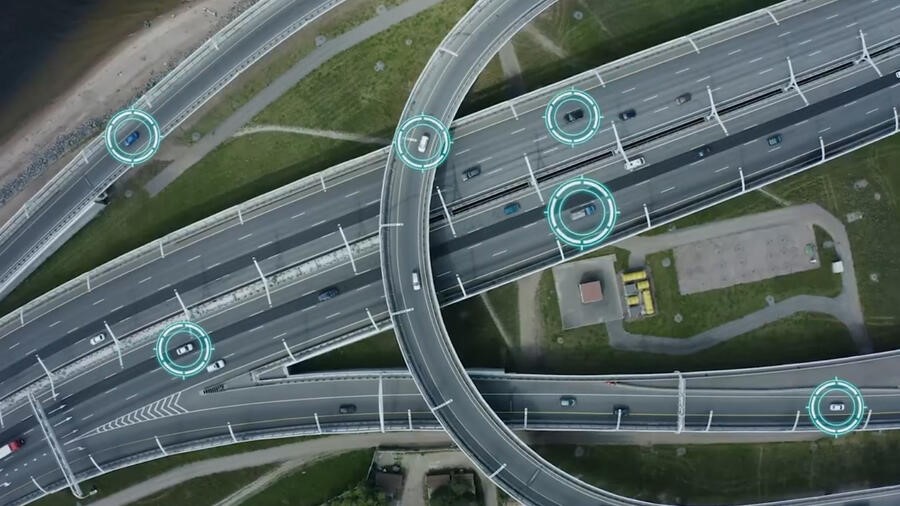
Official points start with latency. AI that waits for the cloud can cost more than time. A drone scanning earthquake debris for survivors must see, decide, and act on the spot even without a signal. The future is not cloud replacement. It is the ability to make critical decisions where they are needed when the cloud is absent. Sensors generate far more data than networks can carry. Smart AI ignores most of it. It flags only the unexpected movement, the vehicle entering a zone, or the behavior change and pushes those insights first. The result is faster decisions, less congestion, and better use of limited bandwidth. If an AI system requires a network to function, it is not ready for the environments that matter. Remote regions, disaster zones, and contested spaces offer the highest value and the least reliable links. Systems must keep operating independently and synchronize only when communications return. Performance is judged offline, not online. Those three requirements sit in the release as the new baseline for edge MLOps.
The remaining points shift the scale. One intelligent device is no longer enough. Drones, sensors, vehicles, and operators must act as a coordinated team. They share only critical information and discard the rest. That demands background coordination so the right data reaches the right platform at the right moment even when links are limited or broken. The move is from smarter devices to smarter systems. Resilience has become the new success metric. Bigger models and higher accuracy still count, but once AI leaves the lab the decisive question is whether it still works when conditions turn bad. Leidos Adaptive Edge places AI directly on sensors and operational platforms for real-time analysis at the point of decision. Paired with the Collaborative Autonomy Framework and Extension, or CAFE, it prioritizes and shares critical information across distributed teams under constrained bandwidth or disrupted connectivity. The stated goal is delivery of the right insight at the right time under the toughest conditions. The release frames this as the present state of AI operations at the edge, not a future promise. Modern MLOps now depends on intelligent connected edge operations. Adaptive Edge and CAFE are positioned as the tools that keep AI autonomous beyond the cloud. Leidos presents them as the delivery mechanism for resilient edge AI in real-time mission decisions.
The practical test is simple. Any MLOps stack that still treats the cloud as always available will fail the first time the link drops in a live environment. The new measure is offline continuity under data overload and disrupted communications. Watch how Adaptive Edge and CAFE behave when bandwidth collapses and the decision window shrinks to seconds. That behavior will decide whether the rewrite holds.
Author bio: Alex Mercer, a Silicon Valley engineering director who has spent years dissecting applied AI systems and their real-world failure modes.
source https://newsroom.seaprwire.com/press-releases/technologies/edge-ai-just-made-cloud-only-mlops-look-like-a-liability/